Skin Care Products That Help Repair Damaged Skin Barriers
Your skin's barrier is like an invisible shield, protecting you from environmental stressors, pollutants, and harmful bacteria while locking in essential moisture. When this protective barrier becomes compromised, you may experience dryness, sensitivity, redness, and irritation. Understanding how to repair and strengthen your skin barrier is crucial for maintaining healthy, radiant skin.
Understanding the Skin Barrier
The skin barrier, also known as the stratum corneum, is the outermost layer of your skin. It consists of skin cells held together by lipids, forming a brick-and-mortar structure that keeps harmful elements out and moisture in. When functioning properly, this barrier maintains your skin's hydration levels and protects against irritants. However, factors like harsh weather conditions, over-exfoliation, strong skincare products, and environmental pollution can weaken this protective layer, leaving your skin vulnerable and compromised.
Signs Your Skin Barrier Needs Repair
Recognizing a damaged skin barrier is the first step toward healing. Common signs include persistent dryness and flakiness, increased sensitivity to products that previously caused no issues, redness and inflammation, itching or burning sensations, and a rough or uneven texture. If you're experiencing any of these symptoms, it's time to focus on barrier-repairing products that can restore your skin's natural defense system.
Essential Ingredients for Barrier Repair
When selecting skin care products to repair your damaged barrier, look for ingredients that provide deep nourishment and strengthen your skin's protective layer. Ceramides are naturally occurring lipids in your skin that help maintain the barrier's integrity. Products containing ceramides can replenish what's been lost and rebuild the skin's protective structure.
Hyaluronic acid is another powerhouse ingredient that acts as a moisture magnet, attracting and retaining water in your skin. This hydration is essential for a healthy barrier, as dehydrated skin is more susceptible to damage. Niacinamide, a form of vitamin B3, is exceptional for barrier repair as it reduces inflammation, strengthens the skin's protective layer, and helps minimize water loss. Additionally, ingredients like aloe vera and chamomile extract provide soothing anti-inflammatory benefits that calm irritated skin while supporting the healing process.
Fatty acids and natural oils, including squalane and jojoba oil, mimic the skin's natural lipids and help restore the barrier's moisture balance. These ingredients work synergistically to create an optimal environment for skin barrier recovery.
Building a Barrier-Repair Skincare Routine
Repairing a damaged skin barrier requires patience and the right approach. Start with a gentle, soap-free cleanser that removes impurities without stripping your skin of its natural oils. Harsh cleansers can further compromise an already weakened barrier, so opt for mild, hydrating formulas that support your skin's healing process.
After cleansing, apply a barrier-repairing serum enriched with concentrated active ingredients. Face serums penetrate deeper into the skin due to their lightweight formulation and smaller molecular size, delivering targeted benefits directly where they're needed most. These serums can address specific concerns while working to rebuild your skin's protective layer.
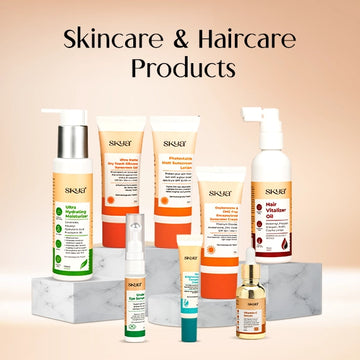
Following your serum, apply a rich, nourishing moisturizer that locks in hydration and creates a protective seal over your skin. Look for moisturizers with ceramides, hyaluronic acid, and plant-based ingredients that provide both immediate and long-term benefits. Skya Arabia offers ultra-hydrating moisturizers specifically formulated with these essential ingredients to restore moisture balance and support barrier repair without leaving a greasy residue.
Don't forget sun protection. A damaged skin barrier makes your skin more vulnerable to UV damage, which can further compromise healing. Apply a broad-spectrum sunscreen with at least SPF 30 every morning, regardless of the weather conditions.
What to Avoid During Barrier Repair
While repairing your skin barrier, it's equally important to know what to avoid. Steer clear of harsh physical exfoliants, strong chemical peels, and products containing high concentrations of active ingredients like retinol or alpha-hydroxy acids until your barrier has healed. These can cause additional irritation and delay the recovery process.
Avoid products with artificial fragrances, alcohol, and sulfates, as these ingredients can strip your skin and cause further damage. Hot water should also be avoided during cleansing, as it can be drying and irritating. Instead, use lukewarm water to gently cleanse your face.
Additional Tips for Barrier Health
Maintaining a healthy skin barrier goes beyond just using the right products. Stay well-hydrated by drinking plenty of water throughout the day, as internal hydration supports external skin health. Maintain a balanced diet rich in omega-3 fatty acids, antioxidants, and vitamins that nourish your skin from within.
Ensure you're getting adequate sleep, as your skin repairs itself most effectively during rest. Manage stress levels, which can trigger inflammation and compromise your skin's barrier function. Consider using a humidifier in dry environments to add moisture to the air and prevent excessive water loss from your skin.
Conclusion
Repairing a damaged skin barrier requires dedication to a gentle, nourishing skincare routine with products formulated specifically for barrier support. By incorporating Skin Care Products rich in ceramides, hyaluronic acid, niacinamide, and soothing botanical ingredients, you can restore your skin's natural protective layer and achieve healthy, glowing skin. Remember to be patient—barrier repair takes time, typically several weeks to a few months depending on the severity of damage. With consistent care and the right products, your skin's barrier will strengthen, leaving you with resilient, comfortable, and radiant skin that's better equipped to face environmental challenges.

Comments
Post a Comment